


EZECHIELE, UN PRELUDIO DI SPERANZA VERSO TEMPI NUOVI
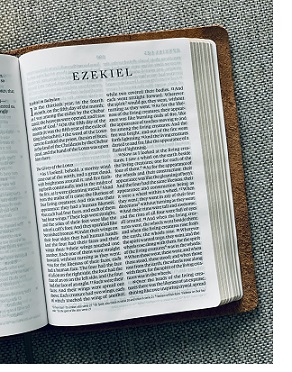 Scritto da Marianna Bandinu | Categoria: Bibbia | Pubblicato il 24/01/2025
“vi darò un cuore nuovo, metterò dentro di voi uno spirito nuovo,
toglierò da voi il cuore di pietra e vi darò un cuore di carne”.
(Ezechiele 36,26)
Il nostro viaggio con i profeti non si ferma e ci porta oggi all’incontro con Ezechiele, profeta dei tempi nuovi, figura centrale nella tradizione biblica, con la sua visione di rinnovamento e speranza. La sua voce profetica si distacca dai canoni tradizionali, annunciando non solo la punizione divina per le colpe d’Israele, ma anche la promessa di una restaurazione e di un futuro di gloria. Tra le righe, esploreremo il suo messaggio, focalizzandoci sulla visione di un mondo rinnovato, in cui il popolo di Dio può sperimentare una nuova alleanza, segnando un passo fondamentale nel cammino verso il compimento delle promesse divine.
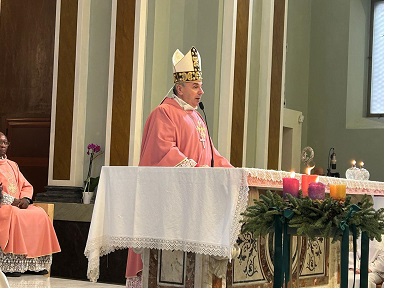
Il nunzio apostolico della Repubblica Centrafricana e del Ciad, mons. Giuseppe Laterza, in visita alla parrocchia di S. Rocco. Valenzano, domenica 15 dicembre 2024, III d’Avvento “Gaudete”.
 Scritto da Vito Fascina | Categoria: A proposito di noi | Pubblicato il 14/01/2025
C’è un’aria frizzante e gli alberi sono scossi da un bel vento di tramontana, in questi giorni a Valenzano. Pare come se lo Spirito Santo volesse prepararci ad un lieto evento, atteso con forte apprensione e vera gioia in paese.
Oggi la parrocchia di San Rocco, con il suo parroco, padre Jean-Claude Nzembele, vive un momento di festa inattesa e perciò carica di entusiasmo e speranza vera. Viene a trovarci il nunzio apostolico per la Repubblica Centrafricana e il Ciad, mons. Giuseppe Laterza.
C’è un silenzio profondo, quando il nunzio inizia l’omelia. “Oggi è la domenica della gioia e la gioia significa che vogliamo essere felici”, esordisce il prelato. A questo riferimento positivo l’ attenzione diventa ascolto profondo. Non vogliamo perdere una battuta. In sequenza, vengono proposti i motivi della gratitudine dai più piccoli fino ai nonni. Nessuno viene dimenticato, perché un padre, come è un vescovo, dall’alto unisce tutti e incoraggia ciascuno.
“LAUDATO SIE, MI’ SIGNORE, PER FRATE FOCU, PER LU QUALE ENALLUMENI LA NOCTE: ED ELLU È BELLO EIOCUNDO E ROBUSTOSO ET FORTE”
 Scritto da Giovanni e Laura Lentini. | Categoria: Formazione | Pubblicato il 09/01/2025
Il fuoco ha un potere magnetico: lo guarderesti per ore. Sempre diverso e quindi bello in modo sorprendente. Ne subì il fascino Mosè, nel deserto. Che brutta fine aveva fatto: lui, il Principe dell’Egitto, ‘salvato dalle acque’, per adozione illustre era destinato a comandare il popolo più colto dell’antichità. Il suo sangue ebreo lo aveva portato, però, a compiere un gesto inconsulto contro un aguzzino egiziano e, così, era scappato, aveva rinunciato al suo lignaggio e, con esso, al suo futuro mirabile. Reietto, aveva sposato la figlia di un sacerdote/mandriano e aveva finito per fare il pastore alle dipendenze del suocero. Ci pensate? A pascolare pecore ai comandi del suocero! Ma Mosè aveva il bagaglio culturale più raffinato del tempo e l’indole del ricercatore: umiltà (l’aveva fatta grossa e lo sapeva), conoscenza (fisica e chimica al massimo livello), curiosità (la molla del sapere). E il disegno divino gli pone sotto gli occhi un’osservazione ‘casuale’: un fuoco che non consuma. La capacità di osservazione (ma guarda…) e lo spirito critico (non può essere, fammi andare a vedere) e da lì la salvezza del suo popolo e nostra.
A parte il fascino, uno dei principali scopi del fuoco è illuminare (Martina, 21 anni, studente universitaria in CTF): “illuminare la notte, il buio. In modo pratico e simbolico (alla ‘notte dell’anima’ si contrappone la luce della conoscenza e della presenza divina).
STORIA DI SERENA CHIARELLO. Dalle visioni alla Vita Eterna. VII PARTE
 Scritto da C. Myriam Maglienti. | Categoria: Cultura | Pubblicato il 02/01/2025
“Quello che nessuno ha mai vissuto e udito, quel che nessuno ha mai immaginato, Dio lo ha preparato per quelli che lo amano” (Corinzi 2,9)
Interrogarsi sul futuro definitivo che attende ciascuno di noi dà senso pieno all’esistenza, poiché orienta il progetto di vita verso orizzonti non limitati e passeggeri, ma ampi e profondi che portano ad amare l’ignoto.
Cosa c’è dopo la vita terrena? Parlare di vita eterna significa toccare un punto cruciale del vivere cristiano, il desiderio di vivere una qualità di vita vicino a Dio: in paradiso.
L’immortalità, la vita ultraterrena, l’ascesa al cielo, la dimora paradisiaca, la morte …
Era questo a cui Serena si stava preparando, l’ingresso verso un’altra casa alla quale lei sembrava essere pronta, conoscitrice dei chiarori di quel Regno e piccola amica del padrone di casa.
Editoriale
-
2024-10-18
Preghiera, raccolta e Animazione missionaria
Scritto da padre Giovanni Claudio Nzembele

Il primo ottobre festa di Santa Teresa di Lisieux è anche l’inizio del mese missionario: Ottobre missionario, mese durante il quale, in modo particolare, vengono prese delle iniziative di preghiera, raccolte di fondi e tutto ciò che può servire alle missioni; in più, è il mese dedicato in modo speciale all’animazione missionaria che consiste nel sensibilizzare le comunità cristiane alla realtà della missione, soprattutto quella ad gentes.
Santa Teresa, suora di clausura diventata patrona delle missioni nel 1927, vibrava dell’amore di Gesù Cristo e il suo più grande sogno era quello di diventare missionaria in tutte le realtà della Chiesa e in tutte le parti del mondo. Ascoltiamola:
in Editoriale Commenta per primo! Letto 2125 volte Leggi tutto...
Chatta con Noi

È morto Don Domenico Labellarte. Il suo racconto su Padre Pio
VOCATION. God calls in silence
APOSTOLI DI GESU' CROCIFISSO
Casa Generalizia
Via della Chiesetta, 3
00030 San Cesareo (RM)
CONTATTI E INFORMAZIONI:
E-mail: info@agcrocifisso.net
Tel.: 327 446 1626
Web: www.agcrocifisso.net
Social e Blog:
- FACEBOOK 
- YOUTUBE 
- BLOG 
- CHAT 
Back to top
Copyright © 2023 - Apostoli di Gesù Crocifisso - Istituto Religioso - Apostoli di Gesù Crocifisso
Media Marketing Publistudio Hermes .it